Process automation market to skyrocket as digital transformation surges
The process automation market is projected to increase at a compound annual growth rate (CAGR) of 7.6 percent through 2031
Add bookmarkListen to this content
Audio conversion provided by OpenAI

The process automation market is set to skyrocket amid increasing demand for digital transformation. That’s according to a report by DataM Intelligence.
The process automation market is projected to increase at a compound annual growth rate (CAGR) of 7.6 percent through 2031 as operational efficiency and cost reduction spur digital transformation across industries.
The study cites several recent process automation developments across the US and Europe as well as significant market growth drivers such as artificial intelligence (AI).
Join the PEX Network community

Don't miss any news, updates or insider tips from PEX Network by getting them delivered to your inbox. Sign up to our newsletter and join our community of experts.
Learn MoreRecent developments in the process automation market
The recent process automation developments listed by DataM Intelligence include:
US process automation market
- December 2025: Demand for process automation and instrumentation is growing steadily, fueled by industries such as manufacturing, chemical processing, and energy production, with increased adoption of automation to improve efficiency and safety.
- November 2025: Integration of AI and machine learning is enhancing process automation capabilities by enabling predictive maintenance, real-time monitoring, and data-driven optimization in industrial operations.
- October 2025: The industrial process automation market is driven by labor shortages and rising labor costs, encouraging companies to adopt automation technologies to maintain productivity and reduce reliance on manual labor.
Europe process automation market
- December 2025: The European industrial process automation market continues to expand with strong growth in robotics adoption within manufacturing and chemical sectors, improving precision, efficiency, and scalability.
- November 2025: The chemical industry’s growth in Europe is a significant driver for process automation, with manufacturers increasing automation to optimize production, reduce costs, and improve product consistency.
- October 2025: The Europe digital process automation market is projected for robust growth, driven by digital transformation efforts, increased investment in intelligent automation technologies, and expanding use of AI, blockchain, and IoT integration across enterprise processes.
Register for All Access: AI in PEX 2026!
Process automation market growth drivers
The three key process automation market growth drivers listed by DataM Intelligence are:
- Integration of industry 4.0 technologies: Adoption of IoT, AI, machine learning, and cloud solutions enables real-time monitoring, predictive maintenance, and data-driven decisions, transforming industrial processes for greater efficiency.
- Demand for operational efficiency and cost savings: Automation reduces manual labor, minimizes errors, downtime, and operational costs while boosting productivity across manufacturing, oil and gas, and pharmaceuticals.
- Rising focus on energy efficiency and safety: Industries prioritize automation for optimized resource use, enhanced safety standards, and compliance with Industry 4.0 initiatives amid labor shortages and digital transformation.
Key companies in the process automation market
- ABB
- Emerson Electric Co.
- Honeywell International Inc.
- Johnson Controls
- Mitsubishi Corporation
- Siemens AG
- Robert Bosch GmBH
- Rockwell Automation, Inc.
- Dassault Systèmes
- ServiceNow
The Business Transformation World Summit's Failure Case Study Bundle
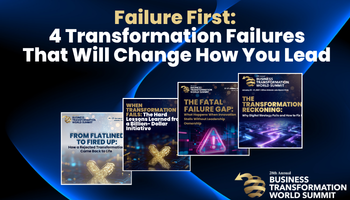
Transformation doesn't fail quietly. It fails in missed targets, stalled programs, frustrated teams, and strategies that looked perfect on paper but didn't survive reality – and yet, most leaders are still only hearing the success stories.
The Business Transformation World Summit's Failure Case Study Bundle brings together four candid, real-world transformation failures from experienced senior leaders who have been in the room, made the decisions, and seen what happens when things don't go to plan.
No polish. No hindsight bias. Just honest insight into what went wrong, and what they would do differently:
Download the bundle now and learn the valuable lessons most leaders only discover too late – and so you don't make the same mistakes they did.
Download Now