OPEX 2026 - Day 1 Program (Monday, 26 October)
8:00 am - 9:00 am
Registration & breakfast networking
8:55 am - 9:00 am
Event Director's Opening of the Event
9:00 am - 9:10 am
Opening Remarks — ANZ State of Play 2026
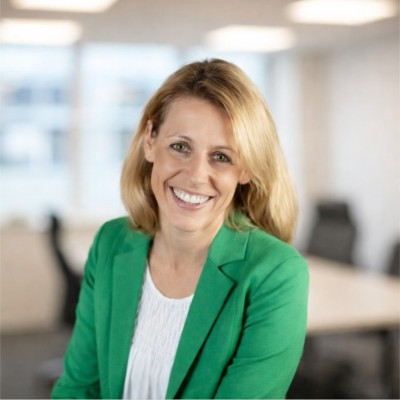
Julia Fraccaro -
CEO and Co-founder,
Frontierworks
9:10 am - 9:40 am
LEADERSHIP PANEL | Transforming while the world breaks: Leading enterprise change when stability is a myth
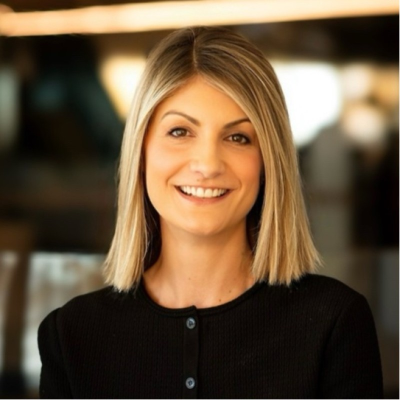
Tanya Maruzza -
General Manager, Strategy and Operations - Asset Management,
Mirvac Group
Maria Ramos - Senior Change Manager -Finance &Supply Chain Transformation -ERP implementation, GPC Asia Pacific
What does enterprise transformation look like when you're simultaneously managing AI disruption, regulatory change, post-COVID cost pressure, and a talent cliff? A candid account of leading transformation at scale under real conditions not success theatre

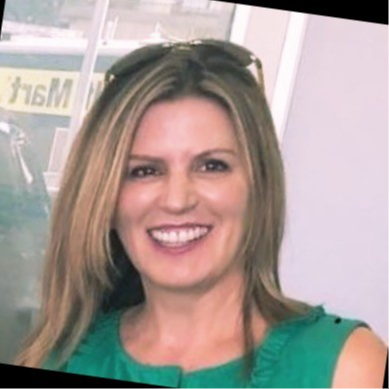
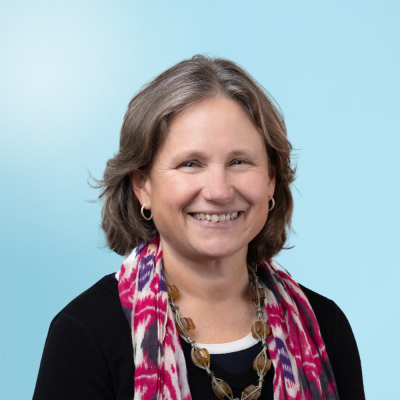
Maria Ramos
Senior Change Manager -Finance &Supply Chain Transformation -ERP implementationGPC Asia Pacific

9:40 am - 10:10 am
Partner Keynote | Projects to Performance: Making operational excellence repeatable in construction
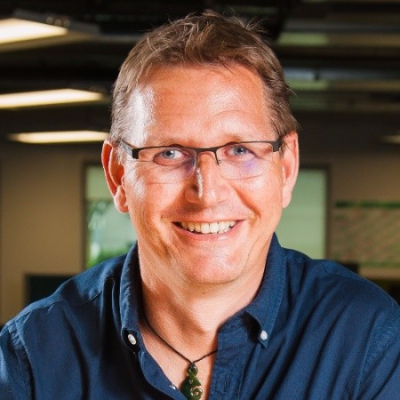
Thomas Kohlenbach -
Principal Consultant,
GBTEC
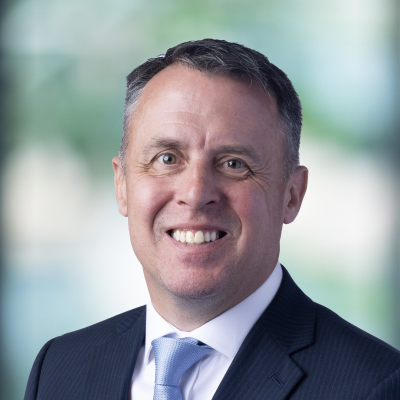
Jerome Harris - Head of National Quality, Built
- Why "project is king" makes standardisation so hard
- How Built mapped its project lifecycle and connected it to its digital strategy
- Early wins, from faster onboarding to cutting unneeded software
- Lessons learned, including why "good enough" beats perfect
Sponsored by: GBTEC



10:10 am - 10:30 am
Speed Networking
10:30 am - 11:00 am
Reimagining Transitions and Transformations Using AI
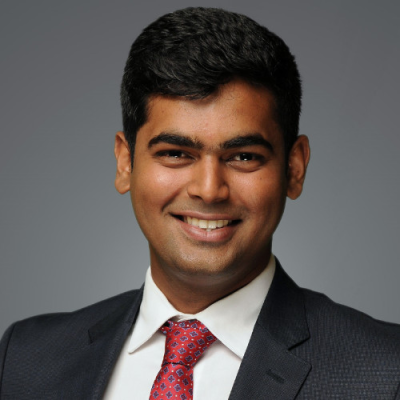
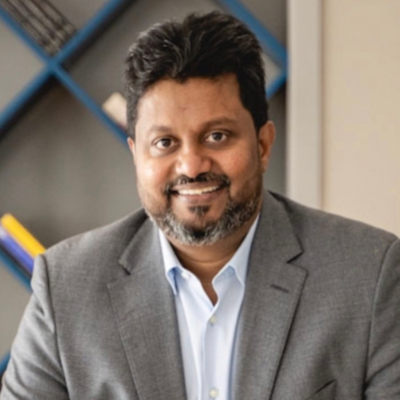
Raghu Subramanian -
President & CBO,
Trupeer
• Intelligent Transitions: Accelerating business, domain, technology and knowledge transitions.
• AI-Powered Transformations: Reimagining processes, platforms, applications and operating models.
• Continuous Intelligence: Converting enterprise knowledge into reusable, contextual intelligence for people and AI agents.
Sponsored by: Trupeer


11:00 am - 11:30 am
Morning Break
Fuel up, connect, and explore - your chance to grab a coffee, meet solution partners, and spark new conversations across
Interactive Discussion Groups - Unscripted. Unfiltered. Unmissable
IDG A
11:30 am - 1:00 pm What does "good" actually look like? Debating operational excellence standards that stick across a changing organisationIDG B
11:30 am - 1:00 pm Change that lands vs. change that lingers: Why some initiatives embed and others quietly dieIDG C
11:30 am - 1:00 pm Service delivery under pressure: Maintaining customer and stakeholder outcomes when your operating model is mid-transformationIDG D
11:30 am - 1:00 pm AI in risk, compliance & fraud detection: What's working in production and what's still a promise
1:00 pm - 2:00 pm
Networking Lunch and VIP Hosted Lunches
Join us in the expo hall for a relaxed networking lunch with the full Shared Service community - connect with peers, explore the exhibition, and recharge for the afternoon ahead. For invited guests, exclusive VIP lunches will run concurrently - bringing senior leaders and select partners together for high-impact conversations in a more intimate setting.
OPEX & Continuous Improvement - The practitioner track
2:00 pm - 2:30 pm CASE STUDY | Adoption Is Not a Change Problem: Why transformation is built back to front, and what designing from the human forward takes. Jess Tayel - :Transformation Executive Director for AI, Transformation, International Olympics CommitteeAdoption is usually treated as something to drive once a programme is built. This session reframes it through three pillars: capability, capacity and context. Capability is whether people can take the change on, capacity is whether they have the room for it, and context is the conditions around them, shaped by how earlier change has landed. Designing for all three from the start does more than land the current programme. It builds the organisation's ability to take on change, so the next one moves faster and lands better. Jess's approach has improved the speed at which transformation reaches its outcomes by 37%, raised C-level confidence by 41%, and activated discretionary effort by 31%.
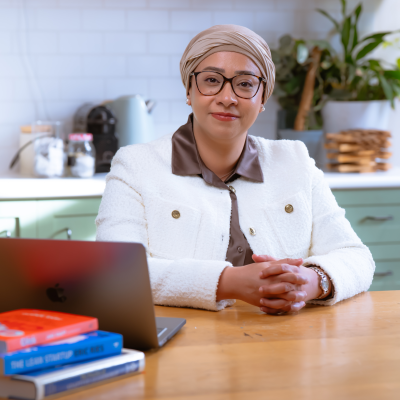
Jess Tayel
:Transformation Executive Director for AI, TransformationInternational Olympics Committee
OPEX & Continuous Improvement - The practitioner track
2:30 pm - 3:10 pm PANEL | When the burning platform isn't burning fast enough: Manufacturing urgency without manufacturing a crisis Gino de Castro - Head of Business Strategy & Transformation, WaterNSWMost transformation programmes stall not because the case is weak but because competing priorities win. How do transformation leaders build and sustain organisational urgency especially mid-programme, when fatigue sets in and the original threat feels distant? Real tactics, not communication plans.
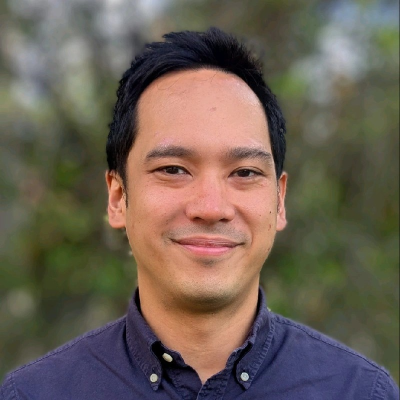

Executive Boardroom
2:00 pm - 2:40 pm THOUGHT LEADERSHIP | Understanding the enterprise AI execution gap: Why change programmes keep losing the knowledge that makes them workThe knowledge you're transforming away from.
Sponsored by: Sugarwork

Executive Boardroom
2:40 pm - 3:10 pm LEADERS TALKS | Finance transformation meets operational excellence: Closing the gap between the CFO's world and the OPEX leader's world Kirstin Reblin - Head of operational excellence, GWFOPEX delivers outcomes the CFO measures, but the two functions rarely co-design. How do you align financial close transformation, cost optimisation, and operational improvement into a single coherent programme?


3:10 pm - 3:30 pm
Business Transformation Demonstration Drive
3:30 pm - 4:00 pm
Afternoon Tea Break
Fuel up, connect, and explore — your chance to grab a coffee, meet solution partners, and spark new conversations across Australia's Operations leadership community.
Practitioners Track
4:00 pm - 4:30 pm CASE STUDY Change management at the speed of disruption: When your change curve is shorter than your programme timeline Maria Ramos - Senior Change Manager -Finance &Supply Chain Transformation -ERP implementation, GPC Asia PacificTraditional 18-month change programmes don't survive contact with a world moving at AI speed. How do you redesign change management methodology itself, shorter sprints, embedded change agents, continuous feedback loops?
Maria Ramos
Senior Change Manager -Finance &Supply Chain Transformation -ERP implementationGPC Asia Pacific
Practitioners Track
4:30 pm - 5:00 pm Case Study | Lineage-driven transformation: how a semantic operating model powers modern enterprise AI Nafees Butt - Operational Excellence Chapter Lead, Agl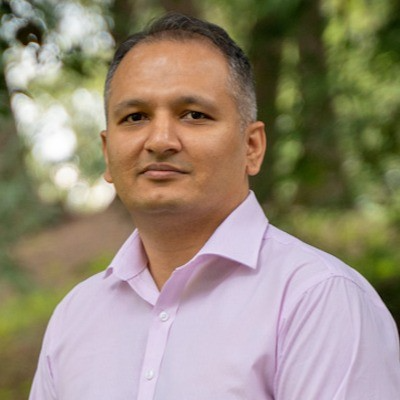

Practitioners Track
5:00 pm - 5:10 pm Closing Keynote Remarks from Chairperson Julia Fraccaro - CEO and Co-founder, FrontierworksPractitioners Track
5:15 pm - 6:15 pm Networking Reception and Cocktail PartyExecutive Boardroom
4:00 pm - 4:30 pm STRATEGIC CASE STUDY Living in Transformation: Building a Workforce That Thrives in Ongoing Change Glen Babington - Chief Operating Officer, University of Technology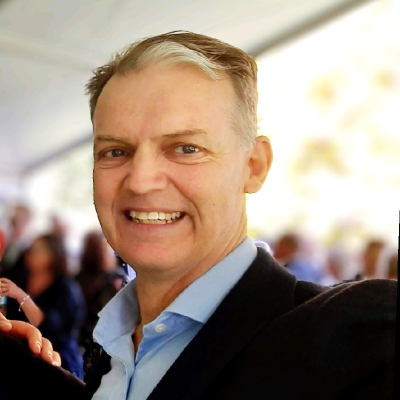

Executive Boardroom
4:30 pm - 5:00 pm PANEL DISCUSSION | The EPMO under pressure: Governing a transformation portfolio when every project is urgent and the budget is shrinking Kirstin Reblin - Head of operational excellence, GWFCaroline Ferris - Head of Strategy and Transformation, Bank of Sydney
Ram Rajaraman - Head of Transformation, Virgin Australia
When everyone has a stake and nobody has final say, AI initiatives stall in committee - this session maps the ownership models actually working in ANZ enterprises and how to stop accountability gaps killing your roadmap.